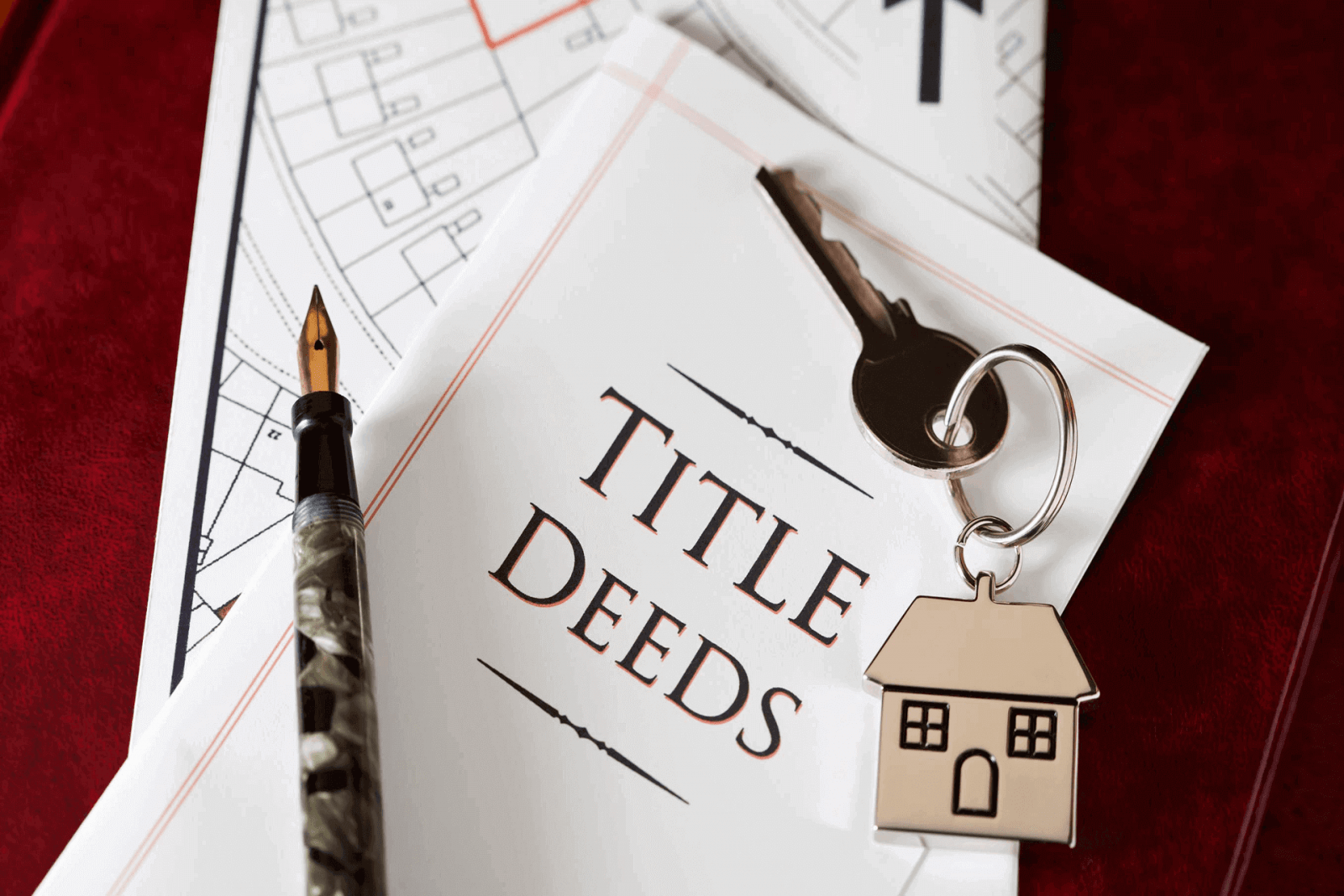

How to Buy Property in Cyprus as a Foreigner: Step-by-Step Guide

Cyprus remains one of the most accessible property markets in Europe for overseas buyers. Both EU and non-EU citizens can legally own homes here, and the process is more straightforward than in many neighbouring countries. But straightforward doesn’t mean informal. Buying property in Cyprus as a foreigner involves a defined legal sequence and specific taxes, and non-EU nationals also need government permission – one that many buyers don’t plan for until it’s already holding up their purchase.

This guide walks through exactly how to buy property in Cyprus as a foreigner, step by step, from your first budget conversation to collecting the keys and registering the title deed in your name. It reflects the rules in effect as of September 2026, including this year’s abolition of stamp duty and the current 5% VAT rules for primary residences.

Quick Answer: Can Foreigners Buy Property in Cyprus?

Yes. Both EU and non-EU citizens can buy property in Cyprus. EU/EEA citizens purchase under the same conditions as Cypriot nationals, with no restrictions on the number of properties or land size. Non-EU citizens can also buy, but face two limits:

  • Limited scope of purchase – a plot of up to about 4,000 m² (three donums, approx. 4,014 m²) on which to build a home for owner-occupation, or up to two units (two dwellings, or one dwelling plus a shop of up to 100 m² or an office of up to 250 m²).
  • Government permission required – granted by the District Administration (exercising powers delegated by the Council of Ministers) on form COMM 145. There is no fee, and approval typically takes a few weeks; the Ministry of Interior quotes 2–3 weeks, though it can take longer in practice.

As of September 2026, Parliament is considering proposals that would tighten the rules for non-EU buyers (for example, limits on agricultural or forest land, land near military sites, and indirect ownership through companies), so check the current position with your lawyer. If you need to buy beyond these limits, a different structure may be possible; take legal advice.

Step-by-Step: How to Buy Property in Cyprus as a Foreigner

Step 1: Define Your Budget and Purpose

Before viewing a single property, decide why you’re buying permanent relocation, holiday home, rental investment, or a residency-linked purchase because this determines which region, property type and tax treatment apply to you. A new-build bought by an individual as their primary, permanent residence may qualify for 5% VAT on the first 130 m² and the first €350,000 of value, provided the home’s total buildable area is no more than 190 m² and the total transaction value no more than €475,000; a holiday home or investment property pays the standard 19%. Budget for the purchase price plus roughly 6-10% in acquisition costs for a resale property (transfer fees, legal fees and other costs detailed below), and typically less in fees for a qualifying new build where transfer fees are nil remembering that VAT itself is a cost on new builds.

Step 2: Arrange Financing (If Needed)

If you need a mortgage, sort it out before you reserve a property. Foreign buyers can obtain mortgages from Cyprus banks, often up to around 60-70% loan-to-value for non-residents, depending on the bank and your circumstances, subject to income verification and property valuation. Ask for a mortgage agreement in principle before you sign a reservation agreement, so you know exactly what you can afford. Cyprus banks’ anti-money-laundering (AML) and source-of-funds checks for international buyers can take several weeks, and your lawyer will need confirmation of available funds before the final transfer.

Step 3: Instruct an Independent Cyprus Lawyer

This is the single most important step, and the one foreign buyers most often skip or delay. Appoint a lawyer who is independent of the seller or developer never use the seller’s recommended lawyer, even if it’s offered as a convenience. Your lawyer will:

  • Conduct a title deed search at the Department of Lands and Surveys to confirm the seller has clear, unencumbered legal ownership
  • Check for existing mortgages, liens or claims registered against the property
  • Verify the property has proper planning and building permits
  • Draft or review the contract of sale
  • Handle the purchase permission application (form COMM 145) if you’re a non-EU buyer

Legal fees typically run at 1–1.5% of the purchase price (plus VAT). That fee protects you from the two most common Cyprus property disputes: undisclosed mortgages, and title deeds that were never issued to the seller in the first place. Title and ownership records can be checked directly with the Department of Lands and Surveys. See our lawyers page for the independent legal partners we work with.

Step 4: Search, Shortlist and Inspect Properties

Work with a licensed estate agent registered with the Cyprus Real Estate Agents Registration Council. Shortlist properties by region browse villas for sale in Paphos or villas for sale in Limassol if you want the highest international demand, or villas for sale in Larnaca and villas for sale in Famagusta for lower entry prices and always inspect in person, or via a trusted representative, before committing. For off-plan or new-build purchases, ask specifically whether the separate title deed for your unit has already been issued: delayed title deed issuance has historically been one of the most common complaints raised by foreign buyers.

Step 5: Sign a Reservation Agreement and Pay a Deposit

Once you’ve chosen a property, you’ll typically sign a reservation agreement and pay a deposit commonly a few thousand euros up to €25,000 or a set percentage, depending on the property to take the property off the market while due diligence and contract drafting proceed. Confirm in writing that the deposit is refundable if due diligence uncovers a legal problem with the title.

Step 6: Legal Due Diligence

Your lawyer completes full due diligence before you sign anything binding:

  • Land Registry search confirming clean title
  • Confirmation of boundaries and registered area against the contract
  • Search for outstanding municipal taxes, sewerage fees or communal charges
  • For non-EU buyers, preparation of the application for permission to acquire property (form COMM 145), submitted to the District Administration – ideally as early as possible

Step 7: Sign the Contract of Sale and Deposit It at the Land Registry

Once due diligence is clear, both parties sign the full contract of sale. Your lawyer then deposits the contract at the Land Registry, a critical protective step that registers your legal interest (a form of “specific performance” protection) even before the title deed is transferred into your name. This prevents the seller from reselling, re-mortgaging or otherwise encumbering the property while your purchase is completed. For contracts signed (by at least one party) on or after 1 January 2026, stamp duty has been abolished, removing a cost that used to apply at this stage.

Step 8: Obtain Permission to Acquire Property (Non-EU Buyers Only)

If you’re a non-EU citizen, you need permission to acquire immovable property under the Acquisition of Immovable Property (Aliens) Law, Cap. 109. The Council of Ministers’ powers are delegated to the District Administration, and your lawyer submits the application on form COMM 145 together with the supporting documents. There is no fee. The Ministry of Interior states that applications take 2–3 weeks; in practice, allow a few weeks and possibly longer, so apply early. Approval is normally granted to buyers purchasing for genuine personal use within the permitted limits. You do not need to wait for approval before signing the contract, but the title deed cannot be transferred into your name until permission comes through. As proposals to tighten non-EU purchase rules are before Parliament as of September 2026, confirm the current position with your lawyer before you commit.

Step 9: Final Payment and Transfer of Title Deed

On completion, you pay the remaining balance and – once any non-EU permission is in hand – the property is formally transferred into your name at the Land Registry. At this point you pay the property transfer fees (see the cost breakdown below), unless VAT was paid on the purchase, in which case no transfer fees apply. You now hold the title deed, the definitive proof of ownership in Cyprus.

Step 10: Register for Utilities, Local Taxes and Ongoing Compliance

After completion, register the property for utilities (electricity, water, sewerage) and with the local municipality, and confirm you’re set up to pay any annual municipal charges (modest local fees; Cyprus abolished its national annual immovable property tax in 2017). If you’re renting the property out, you’ll also need to register for the relevant income tax obligations in Cyprus.

What Does It Cost to Buy Property in Cyprus? (2026 Breakdown)

Cost item Rate Notes
VAT (new-build primary residence) 5% on the first 130 m² and first €350,000 of value Only if total buildable area ≤ 190 m² and total transaction value ≤ €475,000; excess area/value within those caps taxed at 19%; exceed either cap and 19% applies to the whole transaction
VAT (standard) 19% New builds that don't qualify for the reduced rate, including holiday homes and investment properties
Property transfer fees (resale, no VAT paid) 1.5% / 2.5% / 4% (tiered; standard 3% / 5% / 8% rates halved) Tiers: first €85,000 / €85,001–€170,000 / above €170,000; calculated on the Land Registry's assessed value
Property transfer fees (VAT-paid new build) 0% Full exemption where VAT was paid
Stamp duty Abolished For contracts signed on or after 1 January 2026 (Law 239(I)/2025)
Legal fees 1–1.5% of purchase price + VAT Independent lawyer – a non-negotiable step
Estate agent commission Typically 3–5% + VAT Usually paid by the seller – confirm before signing
Non-EU purchase permission (form COMM 145) No fee Non-EU buyers only

Budget roughly 6-10% above the purchase price in total acquisition costs for a resale property (transfer fees, legal fees and other costs). For a qualifying new build, fees are typically lower because transfer fees are nil – but remember that VAT (5% or 19%) is itself a significant cost. Run your own numbers with our buying fees calculator before you make an offer. Current transfer fee bands are published by the Department of Lands and Surveys; VAT rates are published by the Cyprus Tax Department.

Taxes You Need to Know

  • VAT on new-build property: Under Law 42(I)/2023 (in force since June 2023), an individual buying a new home as their primary, permanent residence pays 5% on the first 130 m² and the first €350,000 of value, provided the total buildable area does not exceed 190 m² and the total transaction value does not exceed €475,000. Area or value above the 130 m² / €350,000 thresholds (but within the caps) is taxed at 19%; if either overall cap is exceeded, 19% applies to the whole transaction. Holiday homes and investment properties pay 19%. Law 109(I)/2026 (April 2026) only extended transitional handling under the old regime (5% on the first 200 m²) for projects whose planning permit was issued or applied for by 31 October 2023; it does not introduce new thresholds for other buyers.
  • Property transfer fees: Paid once, at completion, calculated on the Land Registry’s assessed value not the contract price.
  • Annual property tax: Cyprus has no national annual immovable property tax (abolished in 2017); only modest municipal charges apply.
  • Capital gains tax: If you later sell, gains on Cyprus-situated property are taxed at a flat 20%, regardless of your residency or nationality. Lifetime exemptions are available: up to €150,000 for a principal private residence (owned and occupied for at least five years), €50,000 for agricultural land disposed of by a farmer, and €30,000 for any other disposal. These exemptions do not stack there is an overall lifetime cap of €150,000. Inflation indexation of the acquisition cost and documented improvement costs also reduce the taxable gain.

Tax rules change; confirm current thresholds with your lawyer or a Cyprus tax adviser before signing. The Cyprus Tax Department publishes current rates and thresholds.

Does Buying Property in Cyprus Grant Residency?

Property ownership alone doesn’t automatically confer residency, but it can support an application:

  • Permanent residency under Regulation 6(2) – non-EU nationals who buy new residential property (first sale from a developer) worth at least €300,000 plus VAT can apply for a permanent residence (immigration) permit under Regulation 6(2) of the Aliens and Immigration Regulations. Applicants must prove a secure annual income from abroad of at least €50,000, increased by €15,000 for a dependent spouse and €10,000 for each dependent minor child. Permit holders must visit Cyprus at least once every two years.
  • Temporary residence – non-EU owners without permanent residency may apply for a temporary residence permit under separate rules; property ownership alone doesn’t guarantee one.

Note that Category F permits are income-based and do not require a property purchase they are a separate route from the property investment programme.

Residency rules are separate from the property purchase process and carry their own income, insurance and documentation requirements; see our full residency guide, check current criteria published by the Civil Registry and Migration Department, and confirm details with an immigration lawyer alongside your property lawyer.

Common Mistakes Foreign Buyers Make in Cyprus

  • Using the seller’s or developer’s recommended lawyer. This creates a conflict of interest at the exact moment you need independent advice.
  • Skipping the title deed search. Some resale and older off-plan properties still don’t have separate title deeds issued confirm this before you commit funds, not after.
  • Not depositing the contract at the Land Registry. This step is what legally protects your interest in the property before transfer. Don’t let it slip.
  • Not applying early for non-EU purchase permission. The Ministry quotes 2–3 weeks, but it can take longer in practice submit form COMM 145 as early as possible and build some slack into your moving or renovation plans.
  • Assuming all properties qualify for 5% VAT. The reduced rate applies only to a primary, permanent residence and has firm area and value limits (130 m² / €350,000 at 5%, with overall caps of 190 m² / €475,000) verify eligibility before you budget around it.
  • Not confirming outstanding charges. Unpaid municipal taxes, sewerage board fees or communal charges on an existing property can become the buyer’s problem if not cleared before completion.

Browse Villas by Region

Ready to start shortlisting? Explore current listings by region:

Or read our complete buyer’s guide for more on the Cyprus market before you commit.

Frequently Asked Questions

Yes. EU citizens buy on the same terms as Cypriots. Non-EU citizens can buy for personal use – a plot of up to about 4,000 m² (three donums, approx. 4,014 m²) to build a home for owner-occupation, or up to two units (two dwellings, or one dwelling plus a shop of up to 100 m² or an office of up to 250 m²) – subject to permission from the District Administration.

A straightforward resale purchase typically takes 6–10 weeks from signed contract to title transfer for EU buyers. Non-EU buyers also need purchase permission: the Ministry of Interior quotes 2–3 weeks, though it can take longer in practice. It usually runs in parallel with other steps rather than adding to them sequentially, so apply early.
It isn't legally mandatory, but it is strongly recommended and standard practice. An independent lawyer conducts the title search, drafts the contract, deposits it at the Land Registry and – for non-EU buyers – manages the purchase permission application.
No. Stamp duty was abolished for contracts signed on or after 1 January 2026.
There's no fixed legal minimum; in practice, reservation deposits are commonly a few thousand euros up to €25,000 or a set percentage, depending on the property. Make sure the deposit is refundable if due diligence uncovers a legal issue with the title.
Yes. Cyprus banks lend to non-residents, often up to around 60–70% loan-to-value depending on the bank and your circumstances, subject to income verification, valuation and anti-money-laundering checks on source of funds.

Final Thoughts

Buying property in Cyprus as a foreigner is a well-established process with clear legal protections provided you follow the sequence in the right order: financing and independent legal representation first, thorough due diligence before signing, contract deposited at the Land Registry to protect your interest, and (for non-EU buyers) the purchase permission application submitted early rather than treated as an afterthought. Get those fundamentals right, and the rest of the purchase runs on a predictable, well-documented timeline.
Our team supports buyers through every one of these steps, from first viewing to title deed transfer. Browse our full portfolio of Cyprus villas or get in touch for a personal recommendation matched to your budget and goals.

Sources

  • Department of Lands and Surveys title deeds, Land Registry, transfer fees
  • Cyprus Tax Department VAT, capital gains tax, current thresholds
  • Ministry of Interior permission for non-EU nationals to acquire property (form COMM 145)
  • Civil Registry and Migration Department residence and permanent residence permits

This guide reflects Cyprus property law and tax rules as of September 2026. Rules on foreign ownership, VAT and residency can change – always confirm current requirements with a licensed Cyprus lawyer before proceeding.


Make More Money With Us

Do you have direct properties for sale in Cyprus?

Work with the largest promoter on all global portals including
Rightmove, A Place In The Sun & Zoopla
 

Access the latest legal information covering all sectors of Cyprus, including specialists in Tax, mortgage, Lawyers, & Residency.

As an example – One of our affiliates recommended us a client with a €1million budget, their commission was €25,000!!!

We hand hold your clients throughout the whole process with our UK and Cyprus tax experts

Do you know buyers/investors?

Work with us and let us help your clients buy their dream home, save on taxes, and live in paradise all while you earn from 25% commission on every buyer.

Get your properties 20,000 views a month

Rare Featured & Premium listings on all portals

Fully qualified international cash buyers

Commissions from 25%

Tax & Permanent Residency In Cyprus

Via Fast Track PR Route (Minimum investment of €300,000+VAT)

Bespoke one to one guide to Cyprus – one of the most tax friendly countries for expats with 300+ days of sunshine.

We provide the full guide on how you can benefit from:

Attractive tax regime & low personal tax

No inheritance or wealth tax

The lowest corporate tax rate in Europe (12.5%)

Special regime for retirees: 5% of the pension payments

Short times for obtaining a residence permit – providing freedom of movement throughout Europe

World-class healthcare, prestigious international schools, safe and stable environment with one of the lowest crime rates

Where To Buy In Cyprus?

Top Locations to Buy Property in Cyprus for Lifestyle & Investment

Cyprus continues to attract international buyers and investors thanks to its strong property market, favourable tax system, Mediterranean lifestyle, and high rental demand. Whether you are looking for a permanent residence, a holiday home, or a high-yield investment, choosing the right location is key. Below, we explore some of the most popular areas to buy property in Cyprus and what makes each destination unique.

Why Buy Property in Limassol, Cyprus?

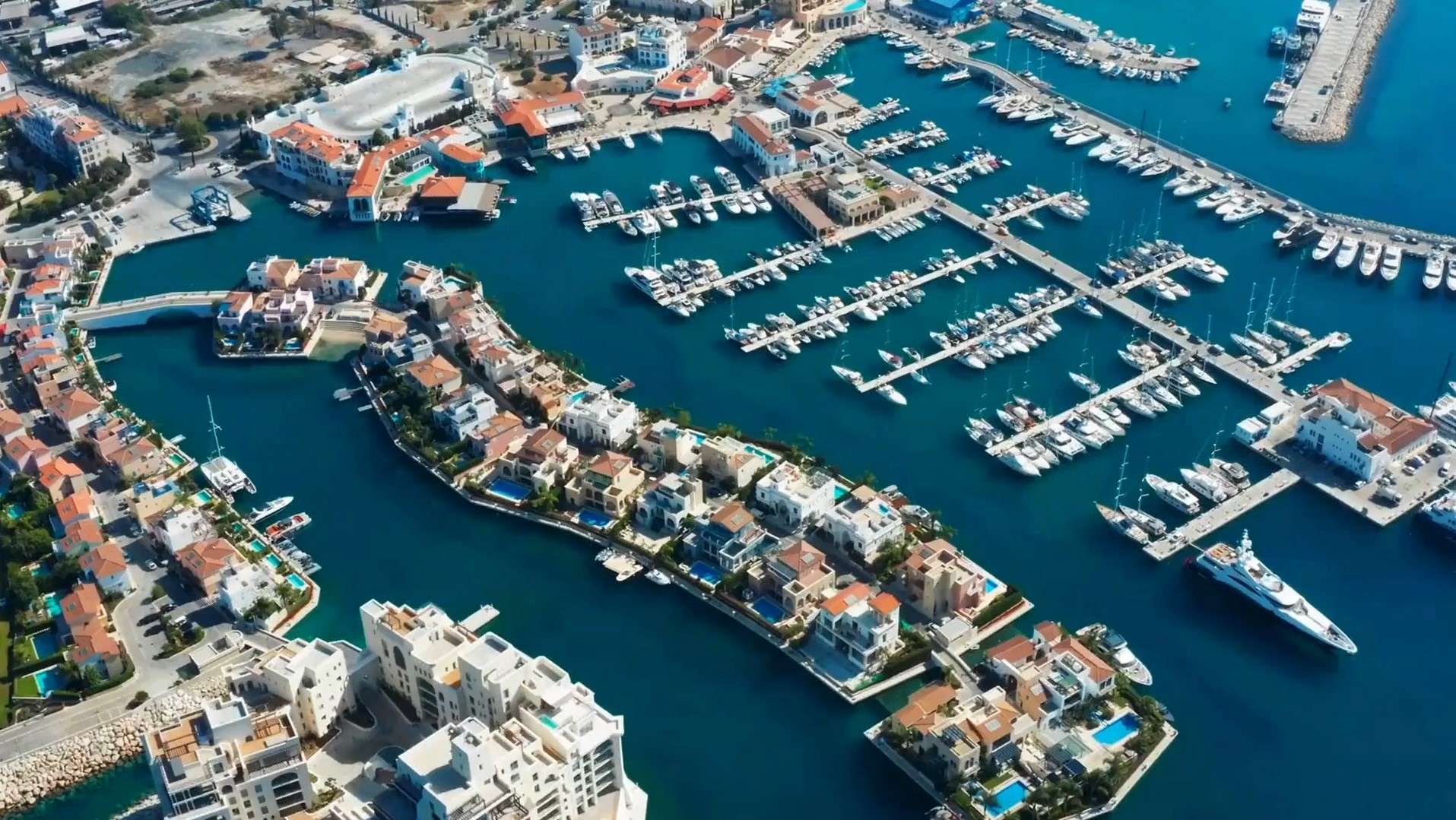
Limassol is Cyprus’ most dynamic and cosmopolitan city, offering a perfect blend of business, luxury, and lifestyle. As the island’s main commercial hub, Limassol attracts international professionals, investors, and high-net-worth individuals.

The city is known for its modern marina, luxury seafront developments, vibrant nightlife, and strong rental demand. Property in Limassol is ideal for buyers seeking capital appreciation, long-term…

Why should I buy in Paphos, Cyprus?

Paphos is a favourite choice for buyers looking for a relaxed lifestyle combined with rich history and natural beauty. This coastal city is renowned for its archaeological sites, picturesque harbour, and welcoming international community. Property prices in Paphos are generally more affordable compared to Limassol, making it an excellent option for first-time buyers, retirees, and holiday home investors. The area also benefits from strong short-…

Why Should I Buy in Larnaca, Cyprus?

Larnaca offers a balanced mix of modern city living and traditional Cypriot charm. Home to Cyprus’ main international airport, the city is highly accessible and continues to see steady development and regeneration. Larnaca is attractive to buyers looking for affordable property with strong growth potential. The city features a relaxed seafront promenade, growing business district, and a wide range of residential options, from apartments to famil…

Investment Developments For Sale In Cyprus

€250 million worth of investment opportunities available.

Strategic access to large-scale Investment Developments for Sale In Cyprus, hotels, commercial and project-led acquisitions across prime locations. Opportunities range from income-generating hospitality assets to repositioning projects and bank-controlled repossessions.

Hotels

Operational and off-market hotel assets across resort and city locations. Opportunities include boutique hotels, beachfront resorts, mixed-use hospitality schemes and value-add repositioning strategies. Suitable for yield-driven investors and portfolio expansion.

  • Income-generating assets

  • Repositioning opportunities

  • Prime coastal and urban locations

  • Management-ready and redevelopment options

Commercial Properties

Commercial developments including office buildings, retail centres, mixed-use assets and long-lease investment stock. Designed for institutional and private investors seeking stable rental return and long-term capital appreciation.

  • Office and retail assets

  • Mixed-use developments

  • Tenant-secured income streams

  • Strategic city-centre locations

Projects

Development-ready land, licensed schemes and large-scale residential or mixed-use projects. Suitable for developers and funds seeking structured acquisition opportunities with scalable exit strategies.

  • Licensed development plots

  • Residential and mixed-use schemes

  • Phased development potential

  • Strategic exit modelling

Repossessions

Bank-controlled and distressed assets offered below market value. Includes hospitality, commercial and residential blocks requiring restructuring, completion or operational turnaround.

  • Below-market acquisitions

  • Bulk purchase opportunities

  • Asset restructuring potential

  • Accelerated transaction timelines

Golf Villas For Sale In Cyprus

Aphrodite Hills

Aphrodite Hills is Cyprus’ premier luxury gold and lifestyle resort, set between Paphos and Limassol with panoramic Mediterranean views. Known for its championship golf course, five-star facilities, spa, tennis academy and private villas; it attracts international buyers and investors.

Properties in Aphrodite Hills offers strong rental appeal, secure gated living and exceptional long-term value in a prestigious resort setting.

Secret Valley

Secret Valley Cyprus is an exclusive golf and residential enclave near Paphos, set within a protected valley overlooking the Mediterranean. Renowned for its championship golf course, low-density planning and tranquil setting, it appeals to international buyers seeking privacy and lifestyle.

Properties in Secret Valley offers strong holiday rental potential, modern villas with generous plots and long-term capital appreciation in a premium location.

Minthis Hills

Minthis Hills is an elevated lifestyle retreat in the hills above Paphos, blending contemporary design with natural beauty and privacy. Centered around a championship golf course and wellness-focused living, it attracts discerning international buyers.

Properties in Minthis Hills offers architectural designed villas, expansive views and low-density planning, delivering strong rental appeal and long-term capital growth in a refined resort environment.

Limassol Greens

Limassol Greens is a landmark golf and residential development redefining luxury living in Cyprus most vibrant city. Positioned close to Limassol’s business district and coastline, it combines championship golf, sustainable design and contemporary architecture.

Properties in Limassol Greens appeals to investors and lifestyle buyers seeking string rental demand, modern villas and apartments and long-term capital growth in a prime location.

Elea

Elea, Cyprus is a boutique golf and residential destination on the outskirts of Paphos, offering elevated sea views and refined, low-density living. Designed for discerning buyers, it combines contemporary villas and stylish apartments with a premium clubhouse and landscape surroundings.

Properties in Elea appeals to investors seeking exclusivity, lifestyle appeal and sustainable long-term value in a well-connected coastal setting.

Buying Property Without Title Deeds in Cyprus: Key Risks & Insights

Buying a Property Without Title Deeds in Cyprus: What Investors Must Understand

It is somewhat typical to buy real estate in Cyprus without the title deeds being issued, particularly in new construction and resale properties where bureaucratic hold-ups continue. Cyprus’s property system allows transactions before title deeds are formally transferred, but not without significant legal intricacies and hazards, in contrast to many markets where title deeds are standard at closing.

What Are Title Deeds?

A title deed is the official legal document issued by the Cyprus Land Registry that proves ownership of a property and records essential details such as:
  • Registered owner’s name
  • Property description and boundaries
  • Registration number
  • Encumbrances or charges against the property
Without title deeds, you don’t have the formal legal proof of ownership in your name, even if you have paid the property.

Why Do Some Properties Lack Title Deeds?

In Cyprus, issuance of title deeds is often delayed for reasons including:

  • Prolonged administrative processes at the Land Registry
  • Developers retaining ownership of the land
  • Unresolved planning approvals or building compliance issues

This means that buyers may acquire property where the contractual rights are legally recognised, but the official deed has not been issued.

Legal Framework: How Purchases Proceed Without Deeds

Cyprus law supports the sale and purchase of property without title deeds through:

Contract of Sale:

The buyer and seller sign a formal sales agreement, which is then filed with the Land Registry. Even though the title deed hasn’t been issued yet, the buyer now has legally enforceable rights.

Specific Performance:

This legislative notion supports the buyer’s legal interest until the official deed is processed and requires the seller (or developer) to complete the deed transfer when conditions are met.

Key Risk When Buying Without Title Deeds

Purchasing without issued title deeds can be feasible but, it carries risks that must be evaluated with expert legal support:

Ownership Uncertainty

You may be granted contractual rights rather than full ownership under the Land Registry if your name is not on an official title deed.

Planning and Legal Complications

Properties without deeds may have unresolved planning violations, incomplete registrations or pending charges that could complicate future ownership rights.

Developer Liabilities

Deed issuance may be hampered by unpaid developer debts, encumbrances, or legal claims against the land, potentially resulting in a loss of investment for buyers.

Mortgage Limitations

Most financial institutions in Cyprus will not issue mortgages for properties that lack a valid title deed in the buyer’s name, limiting financing options.

Resale Restrictions

Reselling a property without an issued title deed can be more complex and less attractive to future buyers due to perceived risk.

Due Diligence: What Every Buyer Should Do

Before committing, a buyer should:

  • Conduct a full Land Registry search to check status and encumbrances.
  • Instruct an independent property lawyer to assess all legal and planning records.
  • Ensure the Contract of Sale includes robust protections and clear timelines for deed issuance.
  • Verify whether mortgages or financing options are viable.

Practical Outcome: Living or Renting Without Deeds

Buyers can occupy, rent, or use the property even in the absence of title documents; but, long-term legal ownership isn’t fully recognised until the deed is registered in the buyer’s name in the Land Registry.

Although it is legal and properly structured, purchasing real estate in Cyprus without title deeds is not risk-free. Careful legal due diligence and contract structuring by knowledgeable advisors are the most important safeguards.

Never proceed without:

  • A qualified independent lawyer
  • Thorough title and planning checks
  • Clear contractual safeguards

These three steps ensure your investment is not only compelling but legally tenable in the long term.

Talk to an SLV Property Specialist

Before making a decision on a Cyprus property without title deeds, consult with the Sunshine Luxury Villas advisory team. We provide targeted due diligence support and structured legal guidance tailored to your investment goals.

Cyprus property trends in 2026 reflect: Buyer & Seller Guide

Cyprus property trends in 2026 reflect: What Smart Buyers and Strategic Sellers Need to Know Now

Cyprus property trends 2026 are shaping a more data-driven competitive and opportunity-rich market for both buyers and sellers. Understanding where the market is headed is essential before making an investment because of the ongoing foreign demand, the expansion of infrastructure, and the changing lending conditions. Let’s go over the main factors influencing the Cyprus real estate market, the areas with the fastest growth, and how to strategically position yourself in 2026.

The State of the Cyprus Real Estate Market in 2026

Cyprus continuous to attract international interest due to:

  • Competitive property pricing compared to other Mediterranean markets
  • Favourable tax framework
  • Strong rental yields in key coastal cities
  • Continued infrastructure and commercial developments

Demand remains strongest in established hubs such as:

  • Limassol – premium apartments, seafront developments and investors demand
  • Paphos – lifestyle buyers and retirees
  • Larnaca – emerging growth market with infrastructure expansion

Market fundamentals indicate stable price growth rather than speculative spikes, signalling a more mature phase of the property cycle.

Key Cyprus Property Trends 2026

Continued Foreign Buyer Demand

International investors and lifestyle relocators remain a significant driver of demand. Interest from Europeans, Middle Eastern and Asian buyers support pricing stability in coastal areas.

Rising Demand for Energy-Efficient Homes

Modern developments with strong energy performance ratings are outperforming older stock. Buyers are prioritising:

  • Lower utility costs
  • Sustainable construction
  • Smart home integration

Shifts Towards Lifestyle-Driven Purchases

Remote work continues to influence buying behaviour. Properties offering:

  • Sea views
  • Access to amenities
  • Strong connectivity

Are seeing consistent demand.

Rental Market Strength

Short-term and long-term rental demand remains resilient, particularly in Limassol and Paphos. Gross yields in prime areas continue to attract buy-to-let investors.

What Does This Means for Buyers?

Buyers entering the Cyprus property market in 2026 should focus on:

Location resilience – Established areas with proven rental demand reduce risk.

Energy efficiency ratings – Higher EPC properties may deliver better long-term value.

Supply constraints – Limited prime coastal inventory can support capital growth.

Timing strategy – Entering before major infrastructure completions can improve upside potential.

For investors, analysing rental yield projections and capital appreciations forecasts should form part of any acquisition strategy.

What Does This Means for Sellers?

Sellers need to adapt to more informed and analytical buyer.

Price Positioning Is Critical

Overpricing in the current environment can extend time on market. Data-backed pricing aligned with current comparables is essential.

Presentation and Compliance

Buyers are scrutinising:

  • Title deed clarity
  • Planning permissions
  • Energy Efficiency
  • Modern Finishes

Well-prepared properties transact faster and closer to asking price.

Marketing Strategy Matters

Targeted international exposure and digital marketing are increasingly influencing transaction speed. Professional photography, virtual tours and multilingual listings are no longer optional in prime markets.

Forecast: Cyprus Property Market Outlook Beyond 2026

While no market is immune to global macroeconomic conditions, Cyprus continues to benefit from:

  • Stable banking sector
  • Ongoing foreign direct investment
  • Infrastructure projects enhancing regional attractiveness

Moderate, sustainable price growth is the most probable scenario rather than rapid spikes. The market is transitioning from opportunistic gains to strategic, long-term value growth.

Cyprus property trend 2026 reflect a market driven by fundamentals rather than speculation. Identifying high-demand micro locations and energy-efficient assets offers opportunities for buyers, while accurate pricing, regulatory readiness, and creative marketing are crucial for sellers to achieve profitability.

Success in the shifting Cyprus real estate market will be determined by judgments based on market data rather than emotion, whether they involve acquisition or divestiture.

Take the Next Steps

Whether you are acquiring or divesting, informed decisions begin with accurate market insights.

Speak with our team to:

  • Assess your current property valuations
  • Review high-demand investment locations
  • Analyse projected rental yields and
  • Develop a data-driven selling strategy
Request a personalised Cyprus property consultation today and position yourself ahead of the market movement.

Cyprus Property Trends 2026: What Smart Buyers and Strategic Sellers Need to Know Now

Cyprus property trends 2026 are shaping a more data-driven competitive and opportunity-rich market for both buyers and sellers. Understanding where the market is headed is essential before making an investment because of the ongoing foreign demand, the expansion of infrastructure, and the changing lending conditions.

Let’s go over the main factors influencing the Cyprus real estate market, the areas with the fastest growth, and how to strategically position yourself in 2026.